

 NZ Freephone
 Partner IMPACT: Exciting outcomes to report
 As we come into Autumn in Aotearoa New Zealand with yet another war underway, millions of civilians across Iran and the wider region are now bearing the brunt of the conflict, facing mounting deaths, displacement, loss of essential services, and rapidly deteriorating safety. The humanitarian picture is worsening by the day, and the risks extend far beyond Iran’s borders.
Our ACT Alliance partners have member organisations within the region and are keeping us up to date. However, as with all Western International Aid agencies, the ACT Alliance have no partners that work within Iranian borders. You can read a little more on the Iranian situation here.
Despite the sadness of the situation in the Middle East, you will find some encouraging content in the newsletter. You will read about Chinthaka Rajapaksha, moderator at MONLAR, a CWS partner in Sri Lanka, who is excited about new scientific findings showing agroecological methods for peasant farmers that yield more rice than those relying on chemical fertilizers. He is especially excited as he shares
“This is not only research…What is inside this paddy field is part of a programme that will determine the future direction of this country and the world!”
Chinthaka has a big vision and passion for the future of his people. Its wonderful to hear such excitement from a partner about the advances being made. This is despite the constant challenges such projects are facing every day in the midst of financial poverty.
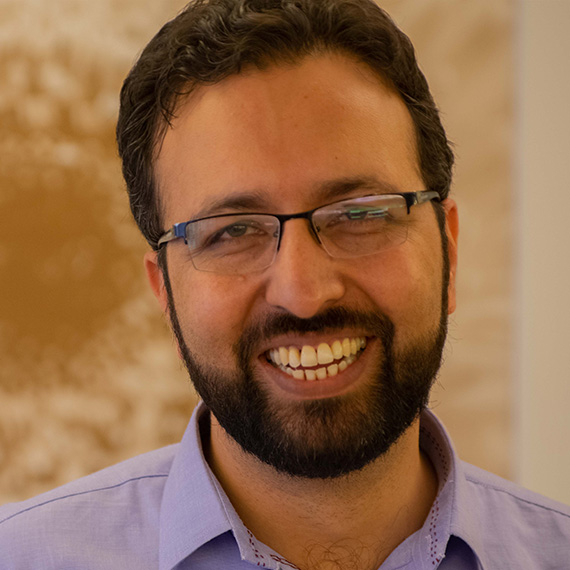 The Autumn newsletter also features Rizwan Iqbal, who is Global Quality and Accountability Coordinator for ACT Alliance. For more than seven years, Rizwan has been leading the application of “best practice” methods across the ACT Alliance partners in more than 140 countries from his office in Jordan. This is helping numerous ACT Alliance partners become more effective and efficient in achieving their collective visions of a world free from poverty and injustice.
Demonstrating Impact: Why Measuring Outputs Matters
Showing that donor generosity is transforming lives is central to who we are. But so is faith.
As an agency grounded in the Christian call to justice, we partner with communities striving to overcome poverty, build resilience, and claim human rights for many of the world’s most vulnerable. Our individual donors make this work possible, and they rightly expect clear evidence that their support is creating real and lasting change. Measuring outputs—and linking them to meaningful outcomes—is one of the most important ways we honour that trust.
And then there is faith
However, we often undertake our work in settings that do not function with the transparent ease that we take for granted in New Zealand. In which case we must also proceed in faith in God’s hand at work for good.
This is because our long‑term local partners work in places where poverty, conflict, and climate change create complex and shifting realities. This brings several challenges:
- Distance and logistics — Many partner communities are remote, with limited infrastructure. Collecting reliable data can require significant time and resources.
- Complex local contexts — Poverty reduction is influenced by many factors. Isolating the impact of a single intervention is rarely straightforward.
- Partner‑led delivery — CWS’s commitment to local leadership strengthens community ownership but requires ongoing investment in reporting systems, training, and quality assurance.
- Ethical and safety considerations — In conflict‑affected or disaster‑prone areas, gathering data must never put people at risk.
- Resource constraints — Donors often prefer funds to go directly to programme delivery, yet credible monitoring requires staff time, technology, and careful oversight.
This Autumn we continue building new partner relationships closer to home in the Pacific. Across Oceania, are many people equally as passionate as Chinthaka to see poverty eradication and justice in our world.